24 Recipes
All Recipes
Triple-tested, full of flavour — every recipe from Khushi's kitchen.
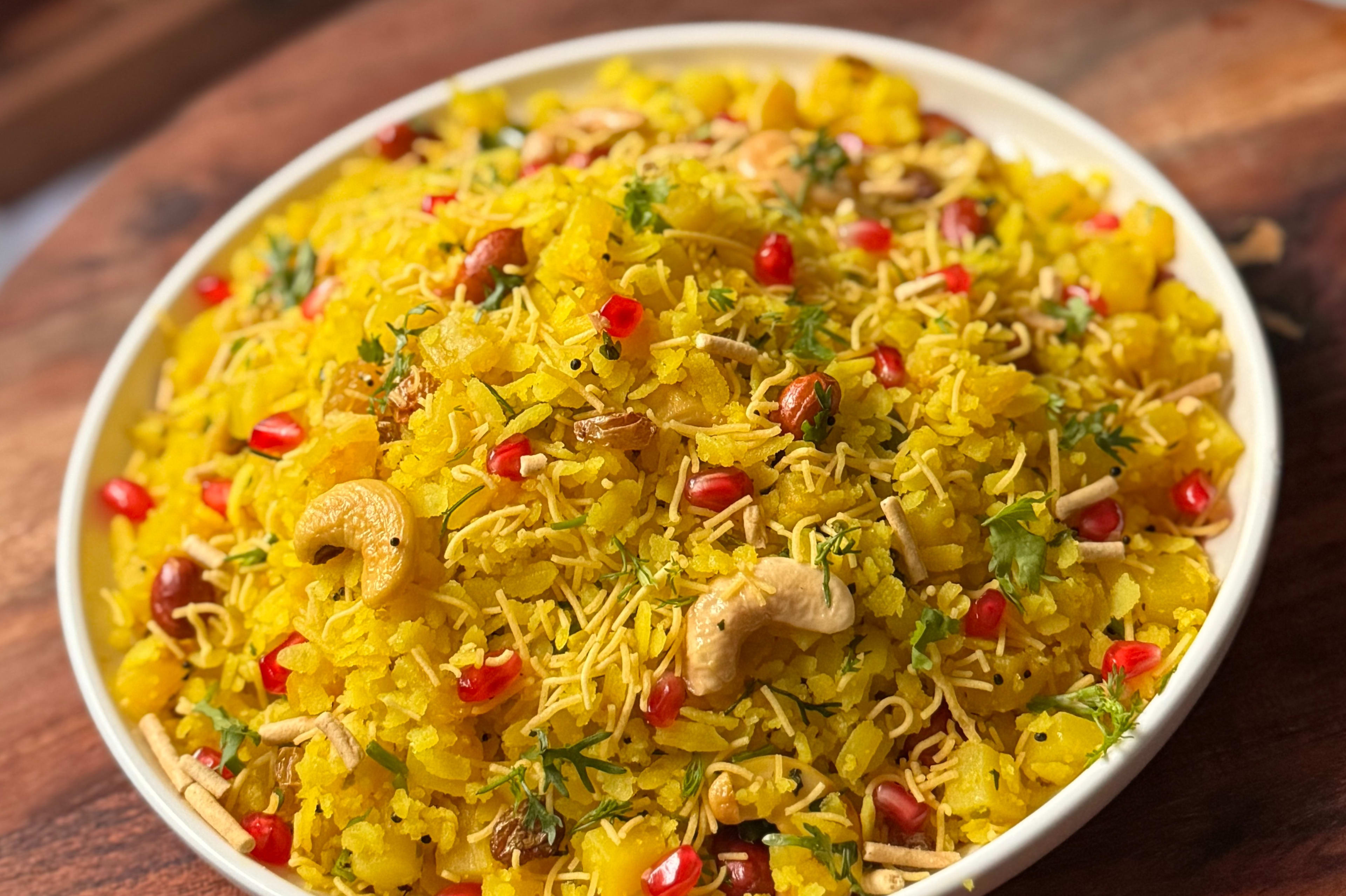
Quick Batata Poha
In most Gujarati households, batata poha does not need a recipe card. It needs a pan, ten minutes, and the kind of quiet confidence that only comes from watching someone make it a hundred times. The flattened rice softens just enough, the potatoes turn golden, and the whole thing comes together before the chai is even done steeping. Poha is one of those dishes that crosses every boundary in Indian cooking. It shows up on Gujarati breakfast tables, in Maharashtra as a morning staple, and in tiffins from Mumbai to Ahmedabad. In Gujarat, it is often made slightly sweeter with raisins and topped generously with sev and pomegranate seeds — a combination that gives it a texture and flavour contrast no plain version can match. It is eaten at breakfast, as an evening snack, or as the thing you throw together when you need something real but have no time to think. This quick batata poha recipe keeps it honest. Roasted cashews, crunchy peanuts, plump raisins, and a bright squeeze of lemon on top of perfectly seasoned poha — it is the kind of dish that looks like you tried much harder than you did. Make it this morning.

Healthy Cheesy Burger
One cup of soaked moong dal, no maida, no bun, and you still get a burger with real structure, real cheese pull, and that golden crust from shallow frying in butter. This healthy cheesy burger replaces the refined flour base entirely with a steamed moong dal idli, and the result is something genuinely worth making on a weeknight when you want something exciting without the guilt. In Gujarati households, moong dal is not just a dal for the table. It goes into handvo, it goes into cheela, it gets ground into batters for everything from steamed cakes to crispy snacks. This recipe borrows from that same tradition of turning humble soaked dal into something that does a completely different job. The concept of stuffing and shallow frying is very much in the spirit of Gujarati jugaad cooking, where you take what you have and build something better than what you started with. What makes this version special is the layering. Steamed moong dal gives you a protein-rich, soft base. The stuffing of capsicum, corn, carrot, tomato, and paneer with pizza sauce and oregano is bright and cheesy. Then each burger gets a cheese slice tucked in and a shallow fry in butter until both sides are golden. It is a party snack, a kids' favourite, and a weekend lunch all at once. Make it today.
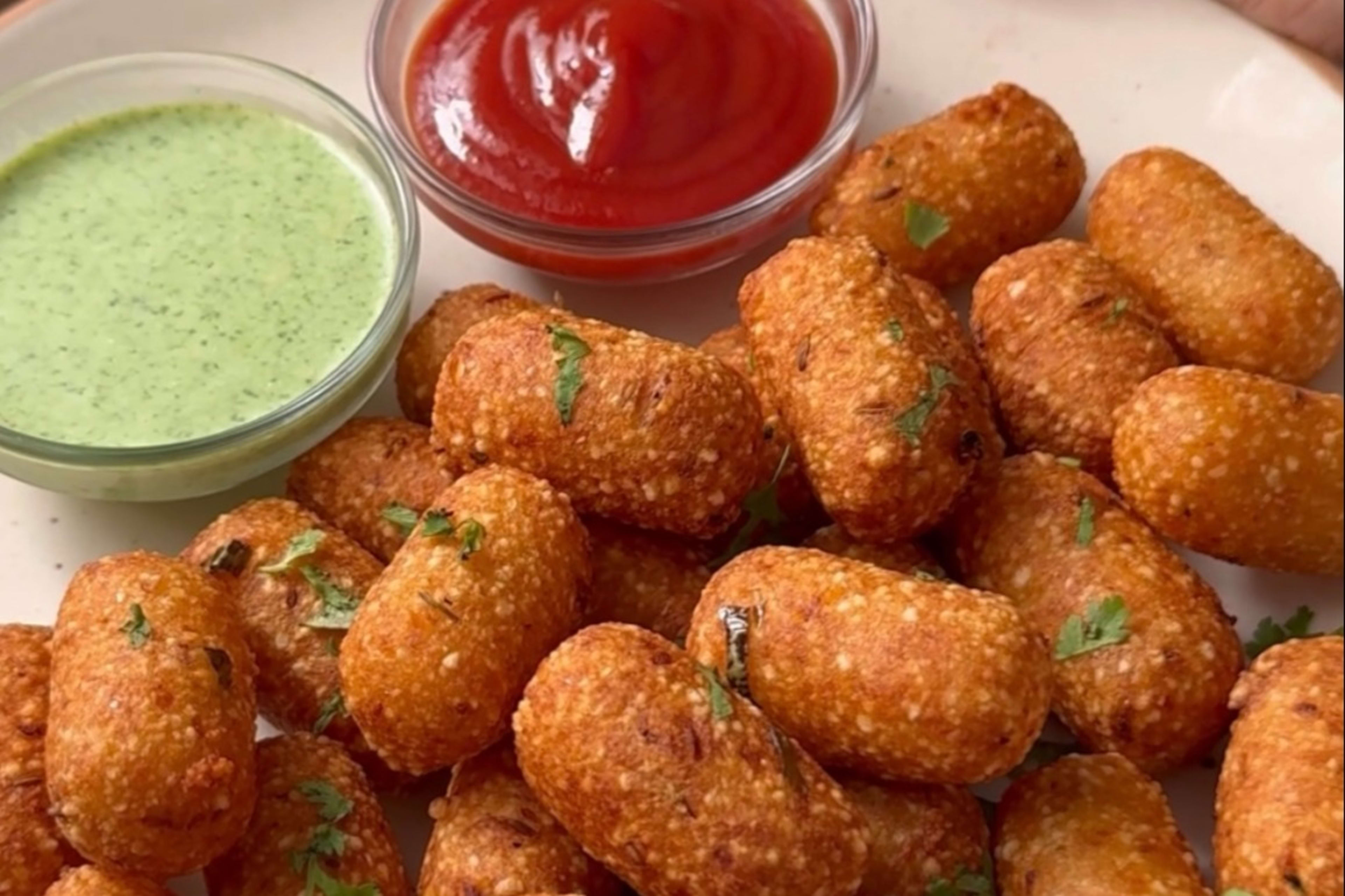
Crispy Sabudana Nuggets
Sabudana nuggets are the recipe I keep coming back to every single fasting season. Crispy on the outside, soft and flavourful inside, with roasted peanut powder and a squeeze of lemon doing most of the heavy lifting. If you have boiled potatoes and a packet of sabudana in your pantry, you are already most of the way there. Sabudana, or tapioca pearls, holds a very specific place in Gujarati and Indian homes. It is the go-to grain during Navratri, Ekadashi, and other fasting days when regular grains are avoided. Sabudana khichdi is the classic, but these nuggets are what you want when you need something you can pick up and eat on the go — crisp on the outside, with that familiar comforting chew inside. Peanuts give it body and fat, cumin and green chilli ginger paste give it warmth, and a little sugar does what sugar always does in Gujarati cooking: it balances everything. This version of crispy sabudana nuggets comes together in under 30 minutes with no fancy technique. The mix is forgiving, the shape is flexible, and the result is genuinely good enough to serve to guests. Let us make it today.
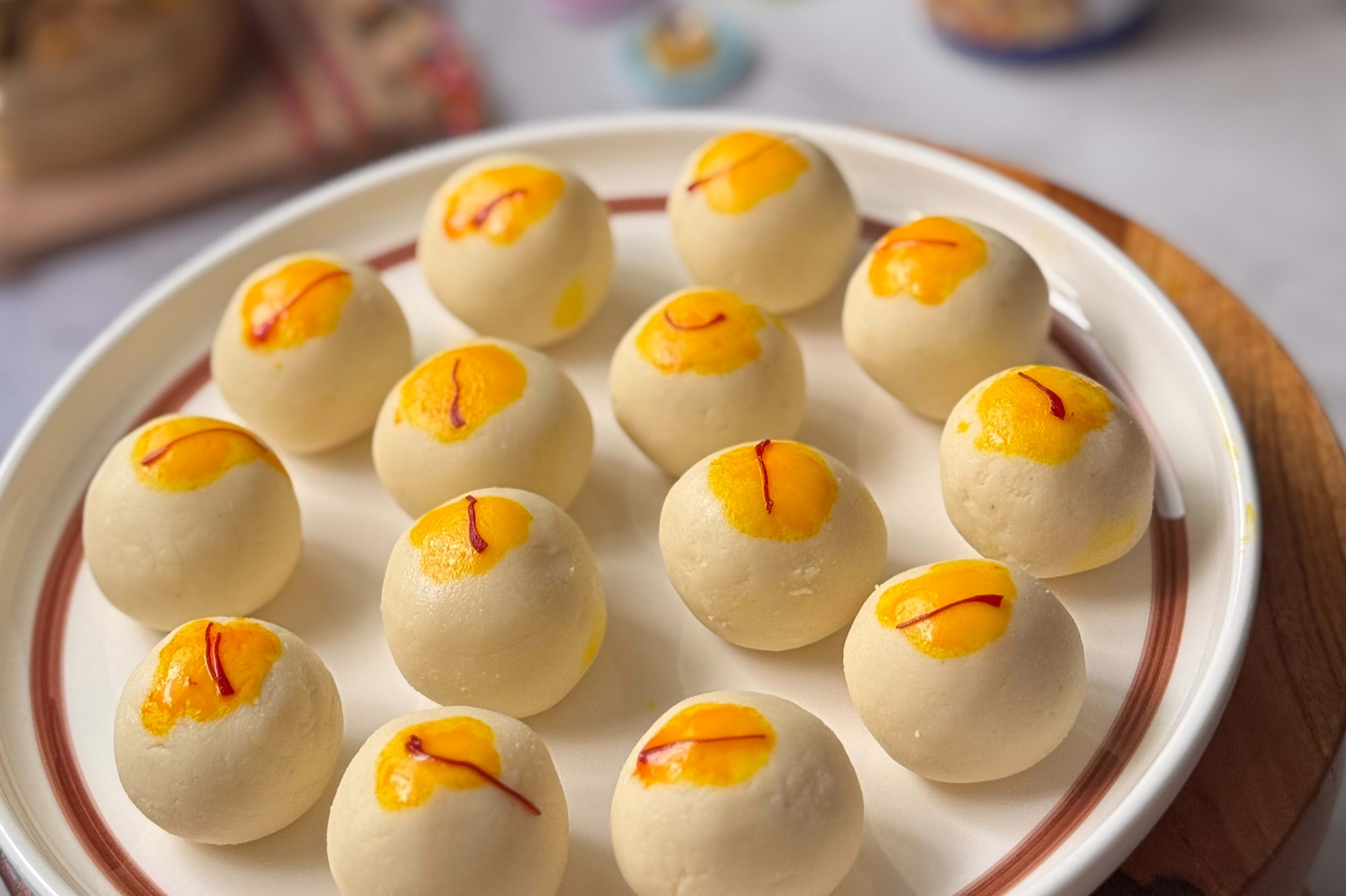
Quick Malai Sandesh
You boil the milk. You add the vinegar. The moment the whey separates and that fresh paneer pulls away from the liquid, you already know exactly where this is going. Malai Sandesh is one of those sweets that comes together so fast it almost feels like you cheated — soft, milky, barely sweet, with a thread of kesar (saffron) pressed gently into each ball. Sandesh is a classic Bengali and Eastern Indian mithai that has long found its way into Gujarati homes and sweet shops. Made from fresh chenna (homemade paneer), it is the sweet you bring when you want to impress without spending the whole afternoon in the kitchen. In Gujarat, it appears during festivals, puja prasad trays, and every time someone drops in unexpectedly and deserves something better than biscuits. The condensed milk in this version keeps it creamy and fuss-free, with no sugar-syrup stage to worry about. This quick malai sandesh recipe skips nothing important but cuts every unnecessary step. The milk powder adds a rich malai-like depth that takes the flavour from good to genuinely indulgent. If you have one litre of milk and twenty-five minutes, you have everything you need. Make it today.
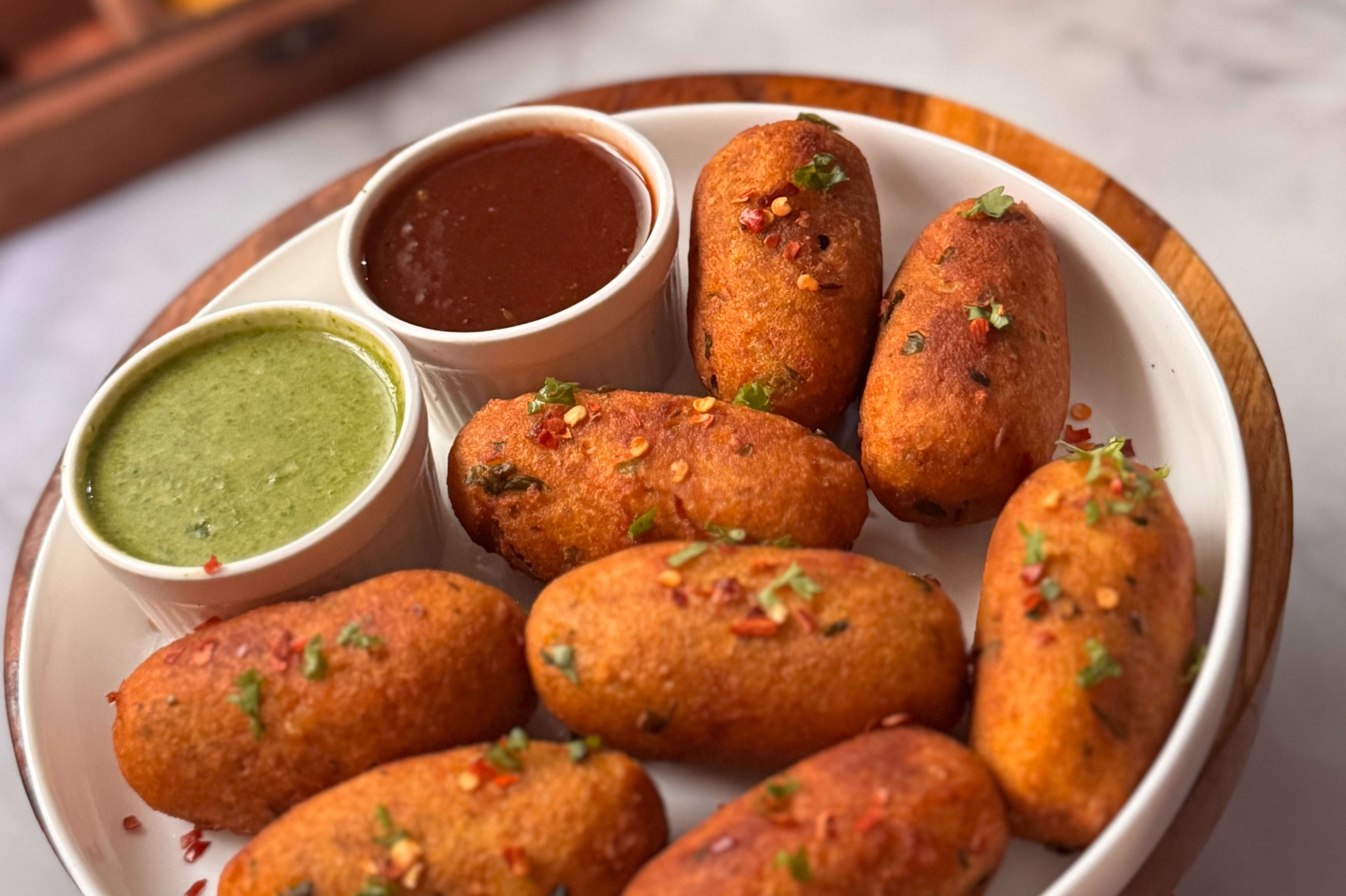
Crispy Instant Bread Roll
Four slices of bread soaked in milk do something that feels almost like cheating. They turn soft and pliable, binding themselves around a spiced potato filling without any maida, any kneading, or any dough-making at all. That single step is why this crispy instant bread roll comes together in under 30 minutes and still manages to crack when you bite into it. Bread rolls are a beloved after-school and tea-time snack across Gujarat and much of India. You will find them in school canteens, at roadside stalls, and at home whenever there is a sudden need for something hot and filling before the proper meal arrives. In Gujarati households, leftover bread finds its best second life in recipes exactly like this one — nothing goes to waste, and somehow the humblest ingredients end up tasting like effort. What makes this version work is the corn flour in the filling, which tightens the mix and gives the outer surface something to cling to during frying. The result is a roll that is golden and genuinely crisp outside, not soft and greasy. If you have been making soggy bread rolls, this is the recipe that fixes it. Set the milk to soak the bread right now and let us get started.
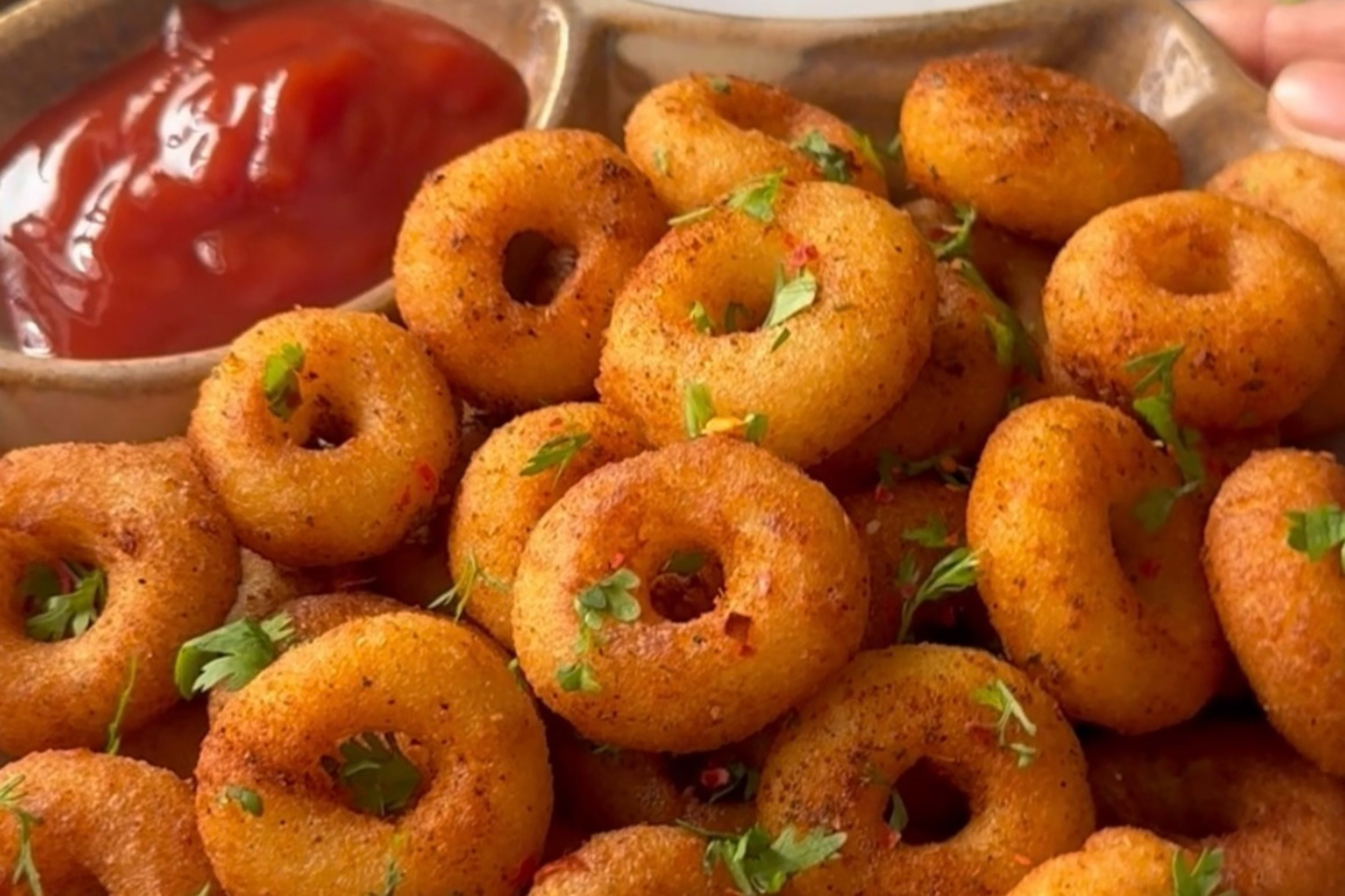
Crispy Peri Peri Pop Rings
Sooji (semolina) is one of those ingredients that lives in every Indian pantry without much fanfare. It is not glamorous. Nobody brags about buying it. And yet, it is the quiet backbone of upma, handvo, and now these crispy peri peri pop rings that will make your whole family stop what they are doing and come to the kitchen. No maida, no stuffing, no complicated technique — just sooji cooked in salted water until it comes together, shaped into rings, and fried to a satisfying golden crunch. In Gujarati households, sooji-based snacks have always been part of the everyday snacking vocabulary. Whether it is a quick evening nasto or something to keep little hands busy after school, these simple fried rings sit right in that tradition of using humble pantry staples and turning them into something genuinely worth eating. The addition of peri peri masala is a modern touch — the kind of small jugaad that takes a classic texture and gives it a bold, street-food personality without changing a single step in the process. What makes this version work is the method. Getting the sooji dough to the right consistency is everything, and I will walk you through every cue so you know exactly when it is ready. Once you have made these once, you will find yourself making them every time the mood for something hot and crunchy strikes. That time is probably right now, so let us get started.

Healthy Ferrero Rocher
This healthy Ferrero Rocher recipe is the one I keep coming back to when I want something that feels special but is made entirely from real ingredients. Roasted peanuts, crushed dates, dark chocolate peanut butter, a whole almond tucked inside, dipped in dark chocolate. No refined sugar, no maida, no mystery. Just a ball that looks like it came from a fancy chocolatier and takes about 20 minutes to put together. Ferrero Rocher has become a staple at every Indian celebration, from Diwali gifting boxes to birthday tables to hostess gifts wrapped in gold foil. But the original is made with refined sugar, palm oil, and ingredients most of us cannot pronounce. This homemade version respects the same idea — a nutty centre, a chocolate shell, that satisfying crunch — but builds it from roasted peanuts, high protein muesli, roasted chana, and dates. It is the kind of treat that fits into a healthy lifestyle without feeling like a compromise. What makes this version stand out is the layering of textures. The inner ball is dense and fudgy from the dates and peanut butter, the whole almond gives you that classic bite, and the dark chocolate and crushed peanut coating crackles when you press in. Make a batch today and refrigerate them. They keep beautifully and make the best homemade gift you can give.

Crispy Veg Manchurian Balls
The first time I made veg Manchurian balls at home, they fell apart in the oil. Completely. I stood there watching shredded cabbage and carrot just float away from each other in the hot oil and I genuinely laughed because it was that bad. I called my Maa, who had no idea what Manchurian was, and then figured it out myself through three more batches. The ratio of maida to corn flour is everything here. Veg Manchurian is one of India's most beloved examples of desi Chinese cooking, the kind that was born in the street stalls of Kolkata and Surat and spread to every city chaat corner and college canteen. It is not authentically Chinese and nobody pretends it is. It is its own thing entirely, sharp with ginger, punchy with soy sauce, and deeply satisfying in a way that feels both familiar and a little bit exciting. In Gujarati homes, this version without the gravy, just the crispy fried balls, is the one that appears at birthday parties, kids' snack tables, and rainy evening gatherings without fail. This recipe gives you balls that hold their shape, fry golden without drinking the oil, and stay crisp long enough to actually reach the plate. The ingredient list is short, the technique is straightforward, and you almost certainly have everything you need right now. Make them today.
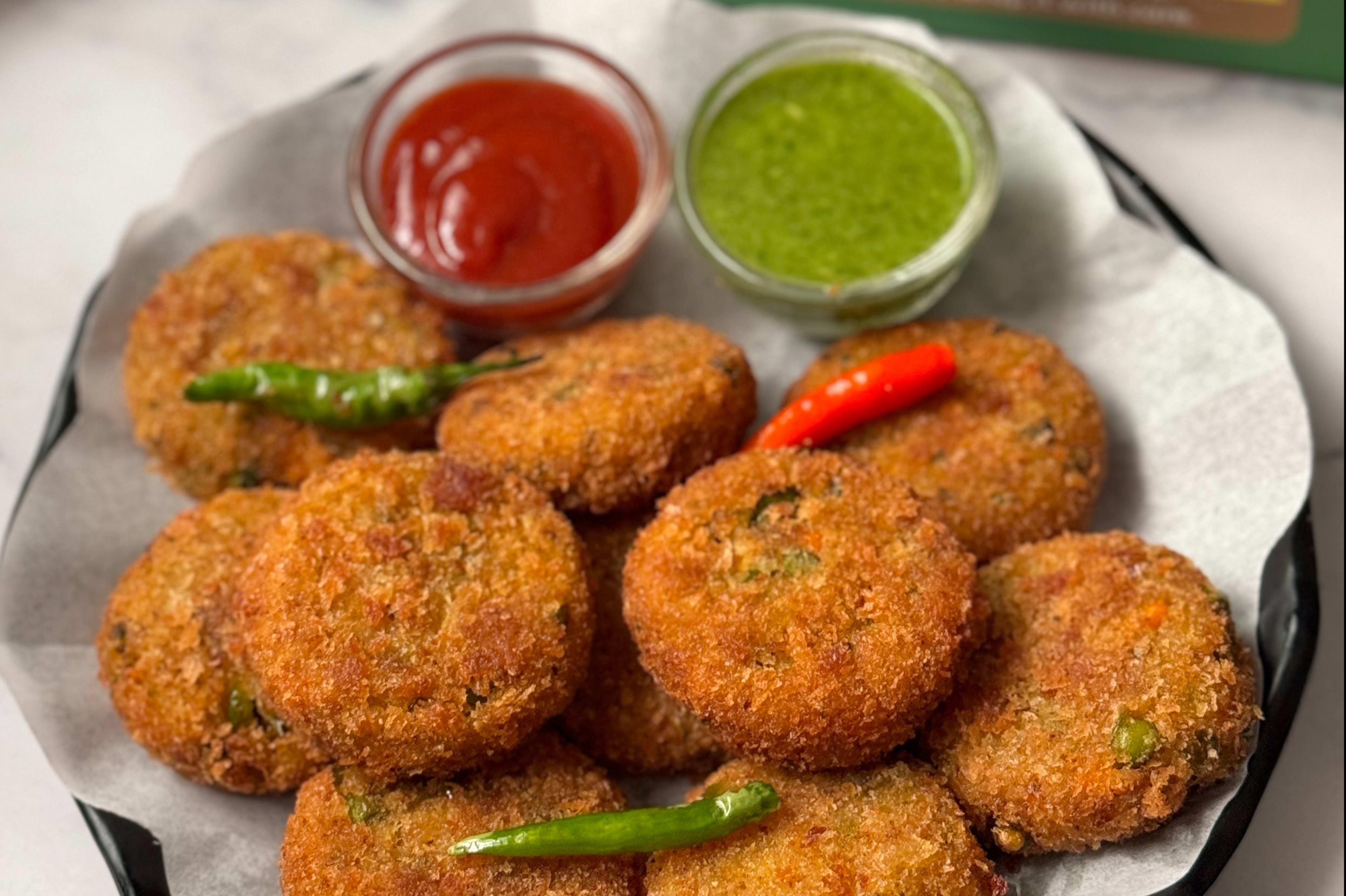
Vegetable Poha Cutlets
Soaked poha does something in a cutlet mix that neither breadcrumbs nor cornflour can replicate. It keeps the inside soft and moist without making it heavy, binds everything together without turning dense, and carries every spice you add into it with quiet confidence. One cup of it, squeezed gently dry, is the reason these vegetable poha cutlets hold their shape in the pan and still have that tender, flavour-soaked middle when you bite in. Cutlets in Gujarat are not a restaurant dish. They are an afternoon thing, a school-return thing, a surprise-guest thing. Every household has a slightly different version — some use only potato, some add corn, some go heavier on the chaat masala. But the poha-based cutlet has its own loyal following because it is lighter than a pure potato patty and more forgiving to shape. Made with boiled peas, carrots, and capsicum alongside the potatoes, this version is a full meal disguised as a snack. What makes this recipe particularly satisfying is the wheat flour batter with oregano and chilli flakes before the breadcrumb coating. It is an unexpected move that creates a thicker, crispier shell than a plain egg-wash or maida slurry ever could. If you have soaked the poha and boiled the vegetables, you are twenty minutes away from a plate of golden cutlets. Start today.
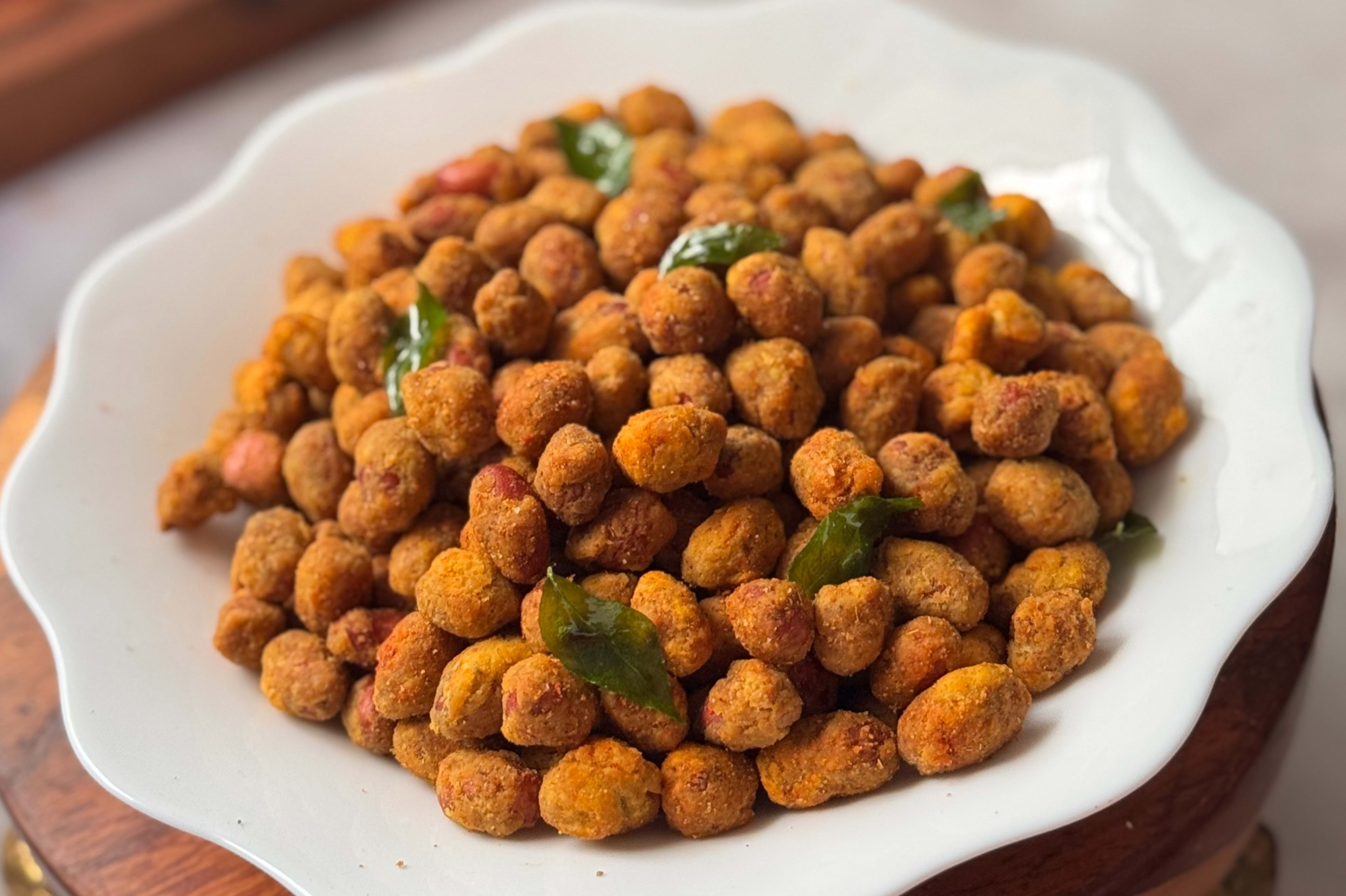
Instant Crispy Sing Bhuiya
Your sing bhuiya coating keeps falling off in the oil, or it comes out thick and soft instead of that light, crackly shell you get from the street stall. The fix is not a different recipe — it is the ratio of besan to rice flour and the amount of water you use. Too much water and the batter drips; too little and it clumps. Get that balance right and every single peanut comes out in a thin, even, golden jacket. Sing bhuiya, or crispy coated peanuts, is one of those snacks that exists everywhere in Gujarat without anyone making a big deal of it. It shows up in small newspaper cones outside railway stations, in steel bowls at Diwali gatherings, tucked into lunchboxes as a crunchy surprise. The coating is spiced with turmeric, red chilli, and garam masala, then finished with a dusting of chaat masala that adds that little sour-salty punch. It is the kind of snack you eat standing at the counter before the plate even reaches the table. This instant crispy sing bhuiya recipe skips soaking, skips any complicated batter, and uses ingredients that are almost certainly already in your kitchen. The rice flour is the quiet hero here — it is what gives the shell its snap. Make a batch tonight and see how long it actually lasts.

Surti Sev Khamani Recipe
There is a specific kind of craving that hits you on a cool morning. The kind where you want something hot and savoury, but also a little sweet, a little spicy, impossibly soft yet crowned with crunch. That is the Surti Sev Khamani craving. One bowl and you are already thinking about the next one. Sev Khamani is not just a snack. It is Surat's identity on a plate. Born in the streets of Surat, Gujarat, this dish is what separates a true Surti from everyone else. It starts as steamed chana dal khaman, but then something brilliant happens. That khaman gets crumbled, tossed in a fragrant vaghar (tempering) of mustard seeds, curry leaves, cashews and raisins, and then cooked again with sugar water until every tiny grain is soft, juicy and deeply spiced. It is sold at every nasta corner in Surat from 7am, wrapped in a newspaper cone, eaten standing on the street. This recipe follows the exact method that makes Surti Sev Khamani taste like the real thing. The coarse grind, the full cooling before crumbling, the magic of sugar water soaking into the dal. Make it this weekend. Serve it hot, piled high with nylon sev and pomegranate seeds, and watch everyone go quiet for a few beautiful minutes.
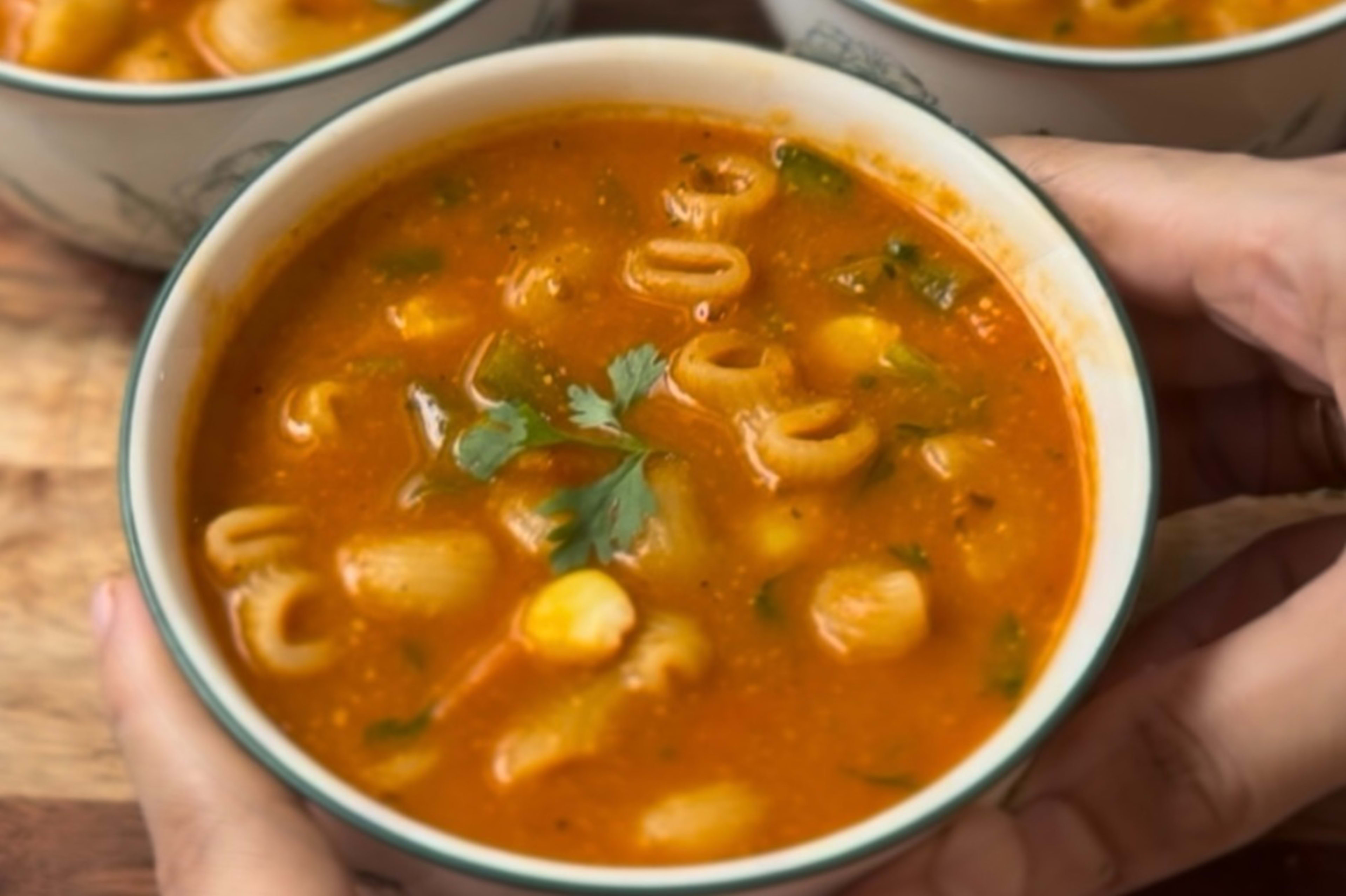
Creamy Macaroni Soup
In a lot of Indian homes, macaroni soup does not have a recipe. It has a version. Maa's version, dadi's version, the version your neighbour made with leftover pasta and somehow it tasted better than any restaurant bowl. This creamy macaroni soup is exactly that kind of dish — spiced with garam masala and red chilli, thickened by a quick tomato purée base, and finished with a squeeze of lemon that pulls everything together. Macaroni soup landed in Indian kitchens decades ago and quietly became its own thing. It absorbed our spices, our coriander stems, our green chillies. The Western version is mostly cream and cheese. Our version is a tomatoey, lightly spiced broth loaded with carrots, beans, and capsicum, with pasta as the base. It is the bowl that appears on rainy evenings, in college canteens, and at the back of the menu at every small Gujarati dhaba that has been around long enough. This version uses a simple purée method — tomatoes and spices cooked down before the water goes in — so the base has real depth even though the whole thing comes together in under thirty minutes. If you have boiled pasta and chopped vegetables ready, dinner is practically done. Make it tonight.
Crispy Chilli Cheese Toast
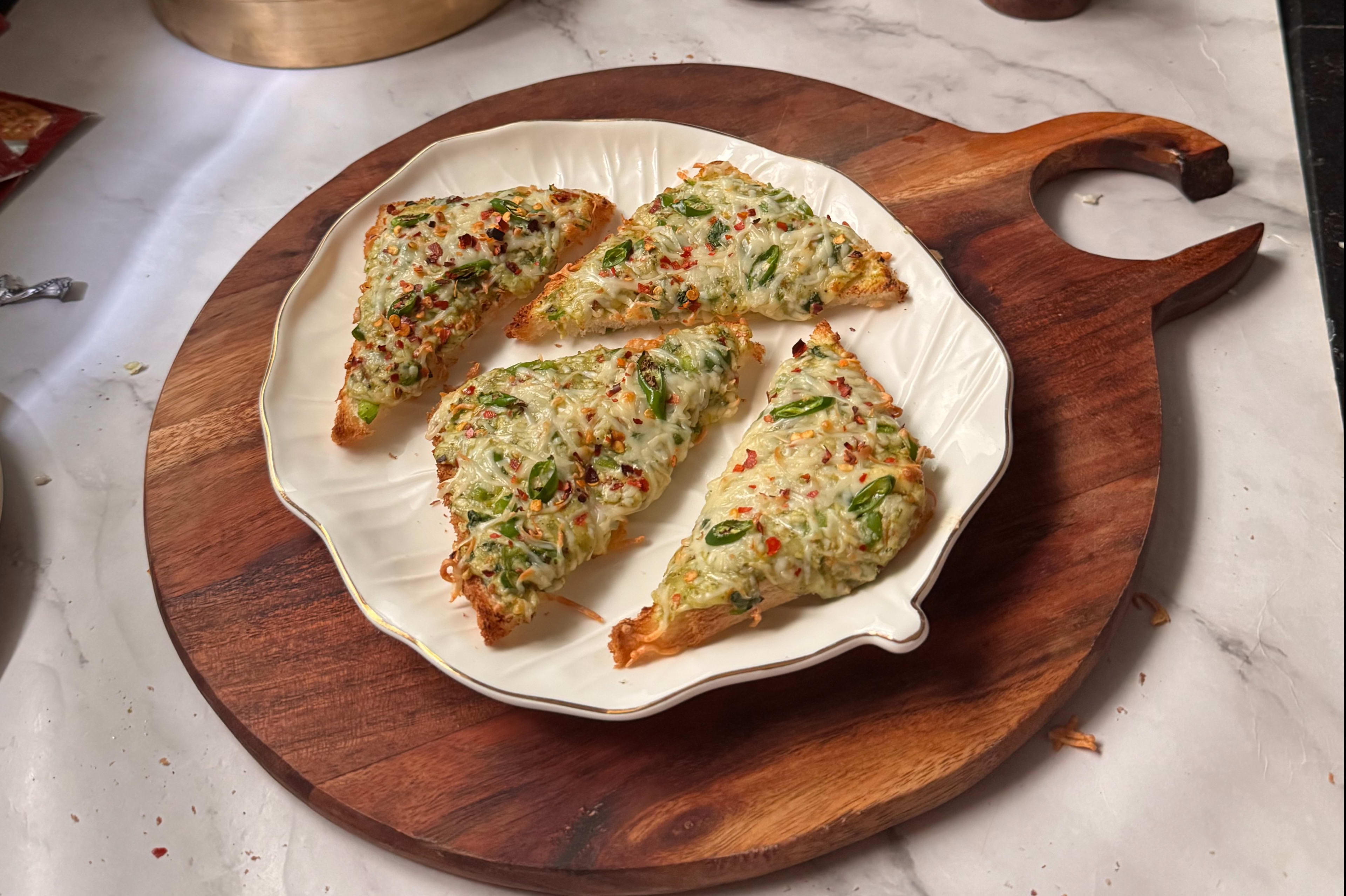
The first time I made chilli cheese toast properly, it was by accident. I had leftover mozzarella from a pizza night, half a capsicum sitting in the fridge looking sorry for itself, and a jar of green chutney that was begging to be used. I slapped everything onto bread, dropped it in a pan, and stood there watching the cheese melt and bubble at the edges. That batch was gone before my sister even made it to the kitchen. Crispy chilli cheese toast is one of those snacks that does not belong to a single region but has been quietly adopted into every Indian home. In Gujarat, we have always had a way of making the simplest things feel like a celebration. Bread toast with cheese and green chutney sits right at that intersection of Indian street-food instinct and fridge-raid cooking. It shows up at evening chai time, at kids' birthday parties, on lazy Sunday mornings when no one wants to actually cook but everyone wants to eat something hot and satisfying. What makes this version special is the green chutney layered right into the cheese mixture before it even hits the pan. That one step gives every bite a sharp, herby punch you will not find in the plain ketchup-and-cheese versions. It comes together in under fifteen minutes, uses things you almost certainly already have, and tastes like something far more thought-out than it is. Make it today.
Dakor's Special Crispy Gota
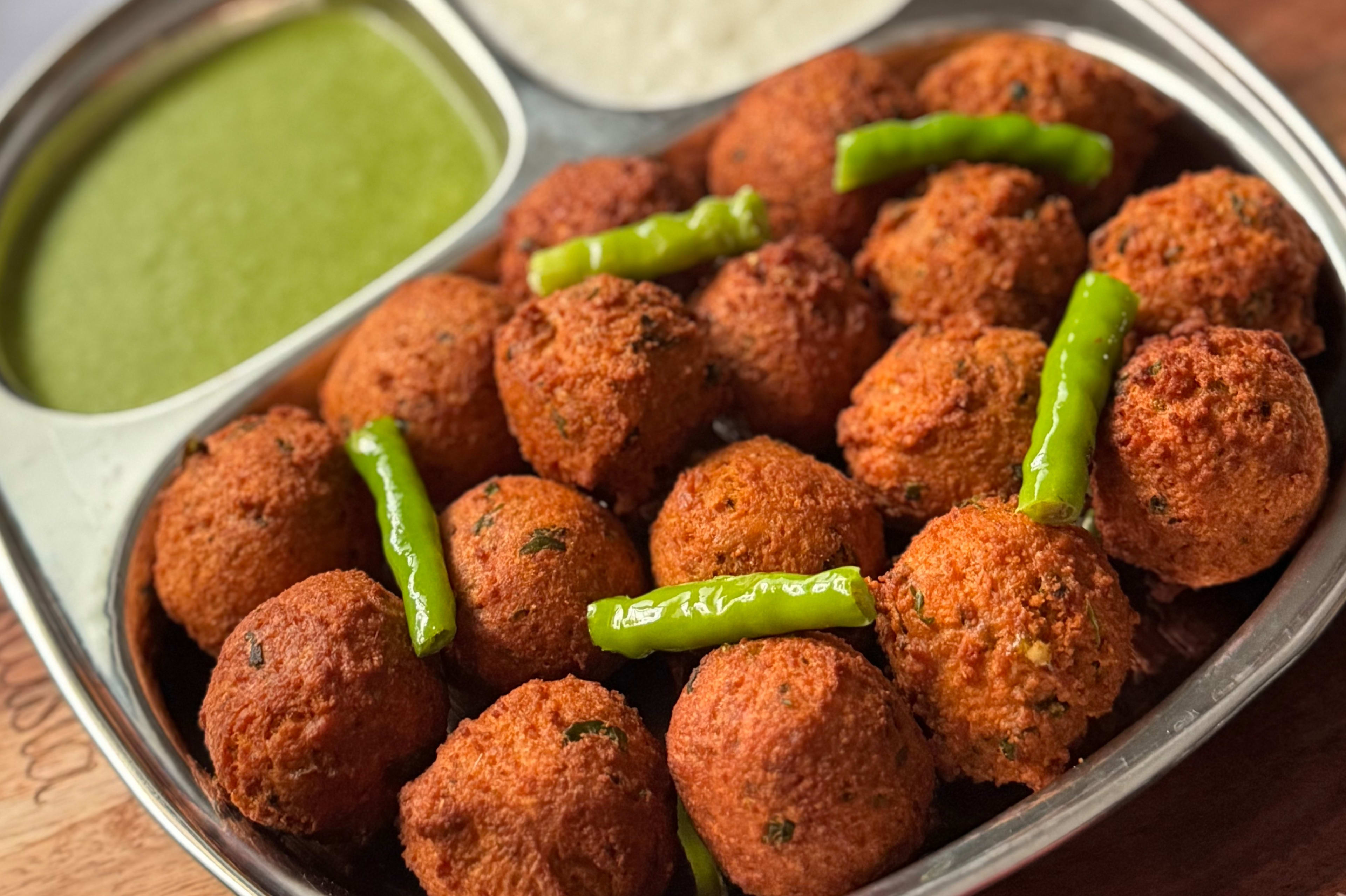
My first taste of Dakor's Special Gota was not from a recipe. It was from a newspaper cone handed to me by my Maa outside the Ranchhodraiji temple in Dakor, still warm, dusted with fine flour, with a fried green chilli tucked alongside like a promise. I was eight years old. I have been chasing that exact taste ever since. The coarsely ground chana dal batter, the whole roasted spice masala underneath it all — nothing I tried at home came close until I finally understood that the masala is not a shortcut. Dakor na Gota is one of Gujarat's most beloved regional snacks, born in the temple town of Dakor and sold by vendors outside the famous Ranchhodraiji mandir for generations. They are made from coarsely ground chana dal mixed with fresh methi leaves, a powerfully aromatic house-roasted masala, and just enough fruit salt to give the inside a slight lift. Soft and pillowy within, crackling and golden outside, they are eaten as prasad, as street food, and as a monsoon evening ritual across Gujarati households. No special occasion required. This version stays true to the original: rough-ground dal for texture, a freshly dry-roasted spice blend you will grind yourself, and real methi leaves. Once you taste the difference that homemade masala makes, you will never go back to shortcuts. Make these today. Your chai is ready. So are you.

Homemade Cheesy Bread
Everyone assumes homemade cheesy bread is a bakery project — something that needs a stand mixer, bread flour, and three hours you do not have. It is not. This homemade cheesy bread recipe comes together with one cup of wheat flour, a bowl of curd, and a butter mixture so good you will want to put it on everything. Start to finish, you are looking at under 40 minutes. Cheesy bread as a concept might feel very non-Gujarati, but the technique here is deeply familiar. A soft curd-based dough, a generous hand with butter and herbs, and fresh vegetables tucked into every layer — this is the kind of recipe that fits beautifully into an Indian kitchen. Corn, capsicum, and mozzarella together is a combination that shows up at every café and chaat corner now, but making it at home means you control the quality, the amount of cheese, and whether the butter gets a proper hit of chilli flakes. What makes this version work is the no-yeast dough. Baking powder and baking soda do all the lifting, which means no proofing, no waiting, no guesswork. The herbed butter is mixed fresh and spread generously on both sides, so every bite tastes intentional. If you have been putting this off because it seemed complicated, today is the day you find out it was not.

Gujarati Dal Dhokali
In most Gujarati homes, dal dhokali is not really a recipe. It is just what you make on slow afternoons when the fridge is half-empty, the family is hungry, and you want something that feels like a hug in a bowl. Wheat flour dhokali pieces swimming in a thick, tangy tuver dal, with peanuts tucked in and a final vaghar (tempering) that makes the whole kitchen smell like home. This is Gujarati dal dhokali, and it has been feeding families for generations without ever needing to impress anyone. Dal dhokali is a classic Gujarati one-pot dish that sits somewhere between a dal and a dumpling soup. It is most popular in Gujarat and parts of Rajasthan, and traditionally eaten as a wholesome lunch or dinner. The dhokali dough is made from whole wheat flour and besan (chickpea flour), spiced lightly and rolled thin, then cut into squares that are dropped directly into the simmering dal. As they cook, they soak up all the sweet, sour, and spicy notes of the dal and become soft, chewy, and completely addictive. Every household has its own version, its own balance of jaggery and lemon, its own tempering order. This version is the one I go back to every time. The dal is pressure-cooked properly with peanuts so everything is soft and full of flavour from the start. The dhokali pieces are made with just the right amount of spice in the dough itself, so they add to the dal rather than just floating in it. If you have been meaning to try making dal dhokali at home, today is the day. It is simpler than it looks, and the result is genuinely outstanding.

Crispy Raw Banana Bhajiya
There is a specific kind of hunger that hits in the late afternoon, when the chai is already made and you need something hot, crispy, and deeply satisfying in your hands right now. Raw banana bhajiya is that answer. Not just any bhajiya, but the kind where the batter clings perfectly to every slice, the edges turn golden and shatteringly crisp in hot oil, and the whole house smells like a street stall in the best possible way. In Gujarat, kaccha kela (raw banana) is one of those quiet, underestimated vegetables that shows up in sabzis, puris, and chivda. But as a bhajiya, it has a loyal following all its own. Street vendors across Gujarat and Maharashtra fry these up fresh to order, and they are especially beloved during monsoon evenings, Navratri fasting days, and whenever the kitchen needs to produce something quick that still feels like an effort was made. Raw banana holds its shape beautifully when fried, turns slightly creamy inside, and has a mild, starchy flavour that soaks up spice in a way that potatoes simply cannot match. This version keeps things honest and uncomplicated. The batter uses besan and rice flour together, which is the real secret to crunch that lasts past the first bite. A sprinkle of black pepper and coriander seeds pressed onto the batter before frying gives every piece a slightly rustic, aromatic crust. You probably have everything you need right now. Start the oil.

Crispy Banana Tuk Chaat
There is a specific kind of craving that hits you in the late afternoon, when the day has dragged on and dinner feels impossibly far away. It is sharp, it is specific, and only something crispy, tangy, and layered with chutney can fix it. This crispy banana tuk chaat is exactly that fix, and the fact that it is made from raw bananas will surprise you every single time you make it. Tuk is a beloved Sindhi and Gujarati street-food tradition of pressing and double-frying potatoes until they are shatteringly crisp on the outside and fluffy within. The banana tuk version takes that same technique and applies it to raw kaccha kela (raw banana), which behaves almost exactly like a starchy potato when cooked. Vendors across Saurashtra and Kutch have been selling versions of this for decades, piled high in paper cones with chutneys dripping down the sides. It is the kind of food that does not feel like it needs a recipe because everyone at the stall already knows the formula by heart. What makes this version worth making at home is the layering. The tuk pieces get a proper toss in chaat masala straight out of the oil, so every crevice is seasoned before the toppings go on. Then comes cold creamy curd, both chutneys, a crunch of sev, bright pomegranate, and fresh coriander. It takes under forty minutes start to finish and tastes like something you waited in a queue for. Make it today.
Crispy Corn Pancake
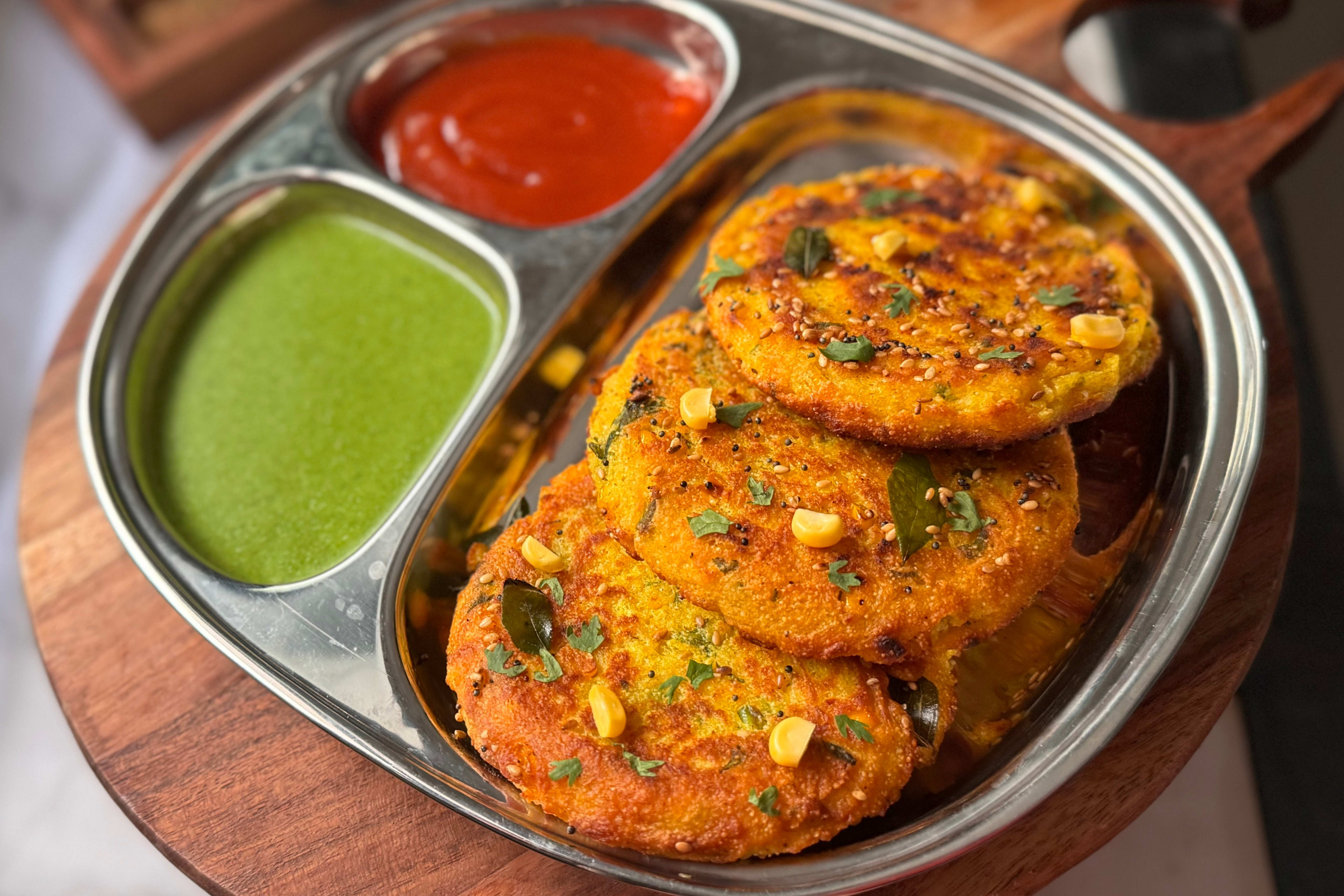
There is a specific kind of hunger that arrives at 5pm, when dinner feels impossibly far away and a plain biscuit simply will not do. The crispy corn pancake understands that hunger. Golden on the outside, soft with a gentle bite of corn on the inside, and ready in under 30 minutes with ingredients you almost certainly already have. This pancake belongs to the family of instant Indian snacks that require no soaking, no fermenting, and no special skill. It draws from the Gujarati love of besan and sooji-based dishes, packed with sesame seeds and a proper vaghar (the tempering of spices in hot oil) that makes even a simple batter taste like it came from a street stall. In Gujarati homes, this style of griddle snack is comfort food — the kind of thing a mother makes when school gets out and the kitchen fills with children. What makes this version special is the fruit salt trick. Just before pouring the batter, a pinch of fruit salt and a squeeze of lemon go in, giving the pancake a lightness that you would not expect from such a simple list of ingredients. Make these today. The process is quick, the result is genuinely crispy, and green chutney on the side makes everything better.

Gujarati Style Bharela Marcha
Fresh methi has competition. Because once you bring home a batch of thick, glossy green marcha (green chillies) and stuff them with a besan and peanut filling toasted in your own kitchen, you will understand why bharela marcha holds a permanent seat at the Gujarati table. This bharela marcha recipe is the kind of thing that makes a plain dal-roti meal feel like a celebration. In Gujarat, stuffed green chillies are not restaurant food. They are home food. The kind that shows up on a steel thali alongside khichdi on a Tuesday, or gets packed into a dabba with phulka and curd when someone is travelling. Every household has its own version. Some add coconut, some skip the sugar, some make it fiery enough to bring tears. But the base, roasted besan mixed with peanuts and warm spices, stays the same across kitchens and generations. What makes this version work is the roasting step. Dry-roasting the besan before mixing the stuffing removes the raw flour smell and builds a nutty depth that shortcuts simply cannot replicate. The filling ends up toasty, fragrant, and perfectly balanced between heat and sweetness. If you have the chillies and the besan ready, this comes together in under thirty minutes. Make it today.

Skin and Hair Growth Ladoo
Fresh methi is the kind of ingredient that makes everything around it better. But nuts and seeds? They work the same quiet magic. Cashews, almonds, pumpkin seeds, sunflower seeds, sesame — each one bringing something your skin and hair have been asking for. This skin and hair growth ladoo recipe is not a supplement in disguise. It is a proper, delicious, Gujarati-style ladoo that happens to be made entirely from ingredients your grandmother already trusted. In Gujarat, the tradition of making nourishing ladoos goes back generations. New mothers received methi ladoo, winters called for gond ke ladoo, and every household had its version of a nut-and-jaggery sweet for strength. These skin and hair growth ladoos belong to that same family. Not a trend, not a wellness fad, but a natural extension of the belief that good food is the first medicine. Today people make them for postpartum recovery, for teenagers whose hair needs support, for anyone who wants a snack that does more than just taste good. What makes this version stand out is the balance between roasting and binding. Every nut and seed is properly toasted before grinding, which deepens the flavour and makes the powder easier to shape. The jaggery syrup is kept simple so the natural nuttiness comes through. I have added a touch of dark chocolate and pistachio on top not for looks alone, but because this ladoo deserves to feel like a treat, not a chore. Make a batch this weekend. Your hair, your skin, and honestly your entire week will be better for it.

Healthy Moong Dal Dhokla
Dhokla is one of those Gujarati staples that never really needs an introduction. But moong dal dhokla? That version deserves its own moment. Most people reach for the besan packet and call it a day — but this healthy moong dal dhokla recipe uses soaked whole moong dal as its base, which means more protein, a lighter texture, and a flavour that is noticeably fresher and more wholesome than the standard chickpea flour version. In Gujarat, dhokla is not a snack you think about. It is just there — at breakfast, at tea time, packed into tiffins, served at weddings on the side, and made in bulk whenever family visits. The moong dal version is especially popular in homes where elders prefer lighter, more digestible food. Moong dal has been a cornerstone of Indian kitchen wisdom for centuries, valued for being easy on the stomach and rich in plant protein. Paired with sooji for structure and a whisper of poha for softness, this batter comes together in a way that feels nourishing from the first bite. What makes this version special is its simplicity and honesty. No complicated fermentation. No yeast. Just soaked dal, a good blend, and the magic of fruit salt doing its job in seconds. I have kept the vaghar (tempering) classic — mustard seeds, sesame, hing, curry leaves — because nothing needs improving there. If you have been looking for a lighter, protein-rich snack you can make on a weekday morning without any drama, this is exactly that. Let us get started.

Healthy Energy Nuggets
There is a specific kind of hunger that strikes at school pickup time, or when the evening chai is brewing and everyone suddenly appears in the kitchen asking what is ready. These healthy energy nuggets are the answer to that hunger. Packed with paneer, potato, carrot, and hidden under a golden sooji crust with a cheesy centre, they disappear from the plate faster than it takes to make them. Nuggets as a snack have always belonged to the street stall or the fast food counter in most Indian households. But these are different. They carry the warmth of Gujarati home cooking, using ingredients every kitchen already has. The oats and makhana powder inside adds a quiet nuttiness while keeping things light. Paneer brings protein, carrot adds colour and sweetness, and the whole thing comes together as a snack that parents feel good about serving and kids feel excited to eat. What makes this version worth making today is the stuffing. A small pocket of cheese tucked inside each nugget melts as it shallow fries, so every bite has a crispy sooji shell, a spiced vegetable layer, and a warm cheesy pull at the centre. No deep frying, no maida, no oven required. Just a good pan and twenty minutes.

Healthy Bhakhari Pizza
Everyone assumes homemade pizza needs a fancy oven, a yeast dough that rises for hours, and ingredients you have to hunt for. It does not. This healthy bhakhari pizza is made on a simple tawa, uses a wheat flour base that comes together in ten minutes, and tastes better than most frozen pizzas I have eaten. The base is crispy, the toppings melt just right, and the whole thing is on the table before your chai goes cold. Bhakhari is a traditional Gujarati flatbread, thick and satisfying, made from wheat flour and usually eaten with shaak and kadhi. In Gujarati homes, it is the bread of everyday life — humble, filling, and made with love. This recipe takes that beloved base and gives it an entirely unexpected life as a pizza crust. It is the kind of fusion that feels right rather than forced, because the bhakhari was always sturdy enough to hold toppings, crispy enough to satisfy, and wholesome enough to make you feel good after eating. What makes this version special is the ghee-roasted wheat base. No maida, no yeast, no waiting. The cumin seeds in the dough add a gentle warmth that plays beautifully against the tangy pizza sauce and stretchy mozzarella. Make it for a weekend snack, pack it in a lunchbox, or put it out at a kids' party. However you serve it, this is the recipe that is going to make bhakhari famous all over again.