
Authentic Sweet Pongal Recipe
The bowl of golden sweetness that makes Uttarayan feel like home
Prep
10 min
Cook
27 min
Total
37 min
Serves
4 people
Cals
290 kcal
5.0 (1)
Authentic Sweet Pongal Recipe
The bowl of golden sweetness that makes Uttarayan feel like home
foodiegujarati.com/recipes/authentic-sweet-pongal-recipe-warm-gooey-festival-ready
There is a kind of food that does not just feed you. It holds you. Sweet Pongal, or Sakkarai Pongal as it is known in Tamil Nadu, is exactly that kind of food. The moment that warm, gooey, jaggery-kissed rice hits your tongue, softened with ghee and perfumed with cardamom, something in you settles. This authentic Sweet Pongal recipe brings that exact feeling straight to your kitchen.
Pongal is not just a dish. It is a harvest prayer made edible. Celebrated during the festival of Pongal in South India, this sacred offering is made on the first day, called Thai Pongal, as gratitude to the Sun God for a bountiful crop. Freshly harvested rice is cooked with moong dal and jaggery until the pot literally boils over, which is considered auspicious. The word "Pongal" itself means "to boil over" in Tamil. In Gujarat, we know this celebratory spirit deeply through Uttarayan, our own harvest festival, which is why this dish bridges two beautiful food cultures so naturally.
What makes this version different is the pressure cooker method. It cuts the cooking time dramatically while giving you that perfectly mashed, porridge-soft consistency that takes much longer on an open flame. I have also included a trick with the jaggery syrup that ensures zero graininess in your final dish. This recipe is foolproof, uses ingredients you already have, and takes under 30 minutes. Make it today.
Why You'll Love This
Ready in 30 Mins
The pressure cooker method cuts the traditional slow-cook time in half, getting you to that perfect gooey consistency without standing over a stove for 45 minutes. From start to finish, this entire recipe takes under 30 minutes.
Jaggery Syrup Trick
Dissolving the jaggery separately in hot water before adding it to the rice prevents the mixture from seizing up or turning gritty. This single step is what separates a smooth, flowing Pongal from a lumpy, curdled one.
Two Festivals, One Bowl
This recipe sits beautifully at the intersection of Pongal in South India and Uttarayan in Gujarat, making it the perfect festive dish for any Indian household in January. One recipe, double the celebration.
Khushi's Pro Tip
I learned this the hard way after making a grainy, seized-up Pongal twice. Never add cold or room temperature jaggery directly to the hot rice. The temperature shock causes the mixture to tighten immediately. Always use warm, dissolved jaggery syrup and keep your rice mixture on low heat when you pour it in. This keeps everything flowing and smooth.
Star Cast
Key Ingredients
Jaggery
Jaggery is the soul of this dish. It gives Sweet Pongal its deep, caramel-like sweetness that refined sugar simply cannot replicate. Always dissolve it in hot water and strain the syrup before adding it to the rice, because some jaggery blocks have impurities that will ruin the texture. If jaggery is unavailable, raw cane sugar works as a substitute, though the flavour will be noticeably lighter.
Yellow Moong Daal
Moong dal is what gives Sweet Pongal its body and that characteristic creamy, slightly thick texture. Dry roasting it before pressure cooking adds a nutty depth that elevates the final flavour significantly. Do not skip the roasting step, and do not substitute with any other lentil as the texture will change completely.
Ghee
Ghee is not a garnish here. It is a structural ingredient. A generous amount of good ghee binds the rice and dal mixture, keeps the Pongal soft and flowing even as it cools slightly, and carries the aroma of the cashews and raisins into every bite. Use pure cow ghee for the most authentic result. Refined oil will not give you the same richness.
Cardamom Powder
Cardamom is the fragrance that makes Sweet Pongal smell like a festival. It is added at the very end so the volatile essential oils are not cooked away. Always use freshly ground cardamom if you can, as the pre-packaged powder loses potency quickly. Half a teaspoon is the right amount for this quantity, any more and it will overpower the jaggery.
Cook Along
Ingredients
The Rice and Dal Base
- ½ cupRice(short-grain or raw rice preferred)
- ⅓ cupYellow Moong Daal
- 2 cupsWater(for pressure cooking)
The Jaggery Syrup
- ½ cupJaggery(grated or powdered)
- ½ cupHot Water(to dissolve the jaggery)
The Fragrance Layer
- ½ tspCardamom Powder(Elaichi; added at the very end)
The Ghee Tempering
- 4 tbspGhee(pure cow ghee preferred)
- ½ cupCashew Nuts
- 2 tbspRaisins(Kismis)
Instructions
Tap a step number to mark it done as you cook.
Roast the Moong Dal — Building the First Layer of Flavour
- Place the moong dal in your pressure cooker and dry roast it on low-medium heat for 2 to 3 minutes, stirring constantly. You are looking for a very light golden colour and a toasty, nutty aroma. Pull it off the heat the moment it starts to smell fragrant.
- Add the rice to the cooker with the roasted dal. Wash both together with water 2 to 3 times, swirling with your hand until the water runs mostly clear. Drain fully before moving to the next step.
Pressure Cook to Porridge Perfection
- Add 2 cups of water to the washed rice and dal. The ratio is deliberate here. We want a soft, mashed, porridge-like consistency, not individual fluffy grains, so do not be tempted to add less water.
- Close the pressure cooker lid and cook on medium heat for 4 to 5 whistles. Turn off the flame and let the pressure release completely on its own. Do not force-release the steam.
- Once you open the cooker, mash the rice and dal gently with the back of a large spoon until you get a cohesive, slightly broken-down texture. It should look thick and creamy, not grainy.
Make the Jaggery Syrup
- While the pressure settles, take a small bowl or pan. Add the grated jaggery and ½ cup of hot water. Stir on low heat for about 2 minutes until the jaggery melts completely into a smooth, dark syrup.
- If your jaggery looks cloudy or has visible dark bits, strain this syrup through a fine sieve before using. This step removes any impurities and guarantees a smooth, clean-tasting Pongal.
Bring the Sweetness In
- Pour the warm jaggery syrup into the pressure-cooked rice and dal mixture. Mix everything together thoroughly on low heat.
- Cook this combined mixture on low flame for 2 to 3 minutes so the flavours fully absorb into each other. The colour will deepen into a warm amber-gold.
- Add the cardamom powder and stir through. Check the consistency. The Pongal should be loose and flowing, almost like a thick custard. If it looks too stiff, add a small splash of hot water and stir.
The Ghee Tempering — The Moment Everything Comes Alive
- Heat 4 tbsp of pure cow ghee in a small tadka pan on medium heat. The ghee is ready when it turns clear and you can see a slight shimmer on the surface.
- Add the cashews to the hot ghee and roast them, stirring continuously, until they turn a warm golden brown. This takes about 1 to 2 minutes. Watch carefully as they can go from golden to burnt very quickly.
- Add the raisins to the pan. They will puff up like little balloons within 20 to 30 seconds. The moment they are plump, pour this entire sizzling, aromatic ghee tempering directly over the Pongal and stir it in immediately.
Final Touch and Serving
- Give the Pongal one final, gentle stir to incorporate everything evenly. Taste and check the sweetness. If you want it slightly richer, a small extra drizzle of ghee on top right before serving does wonders.
- Serve immediately while it is hot and flowing. Sweet Pongal thickens as it cools, so serve it straight from the pot for the best experience.
Pairs Perfectly With
Storage & Make-Ahead
Sweet Pongal stays fresh at room temperature for up to 6 hours. In the refrigerator, store it in an airtight container for up to 2 days. It thickens as it cools, so when reheating, add 2 to 3 tbsp of hot water or warm milk and stir on low heat until loose again. Freezing is not recommended as the texture changes.
Try These Too
Coconut Sweet Pongal
Add 3 to 4 tbsp of freshly grated coconut along with the jaggery syrup and stir it in before the final tempering. The coconut adds a natural sweetness and slight chewiness that is very traditional in many South Indian households, especially in Kerala.
Stovetop Open Pan Method
Skip the pressure cooker and cook the washed rice and dal in a heavy-bottomed pot with 3 cups of water on medium-low heat, stirring occasionally for 20 to 25 minutes until completely soft and mashed. You will need the extra water because open-pot cooking loses more steam. The result is equally delicious, just slightly more time-intensive.
Banana and Jaggery Pongal
Slice one ripe small banana and fold it into the Pongal just before adding the tempering. The banana melts slightly into the warm mixture and adds a natural fruity sweetness that reduces the amount of jaggery you need. This variation is especially popular as a temple prasad offering.
Affiliate
Shop the Recipe

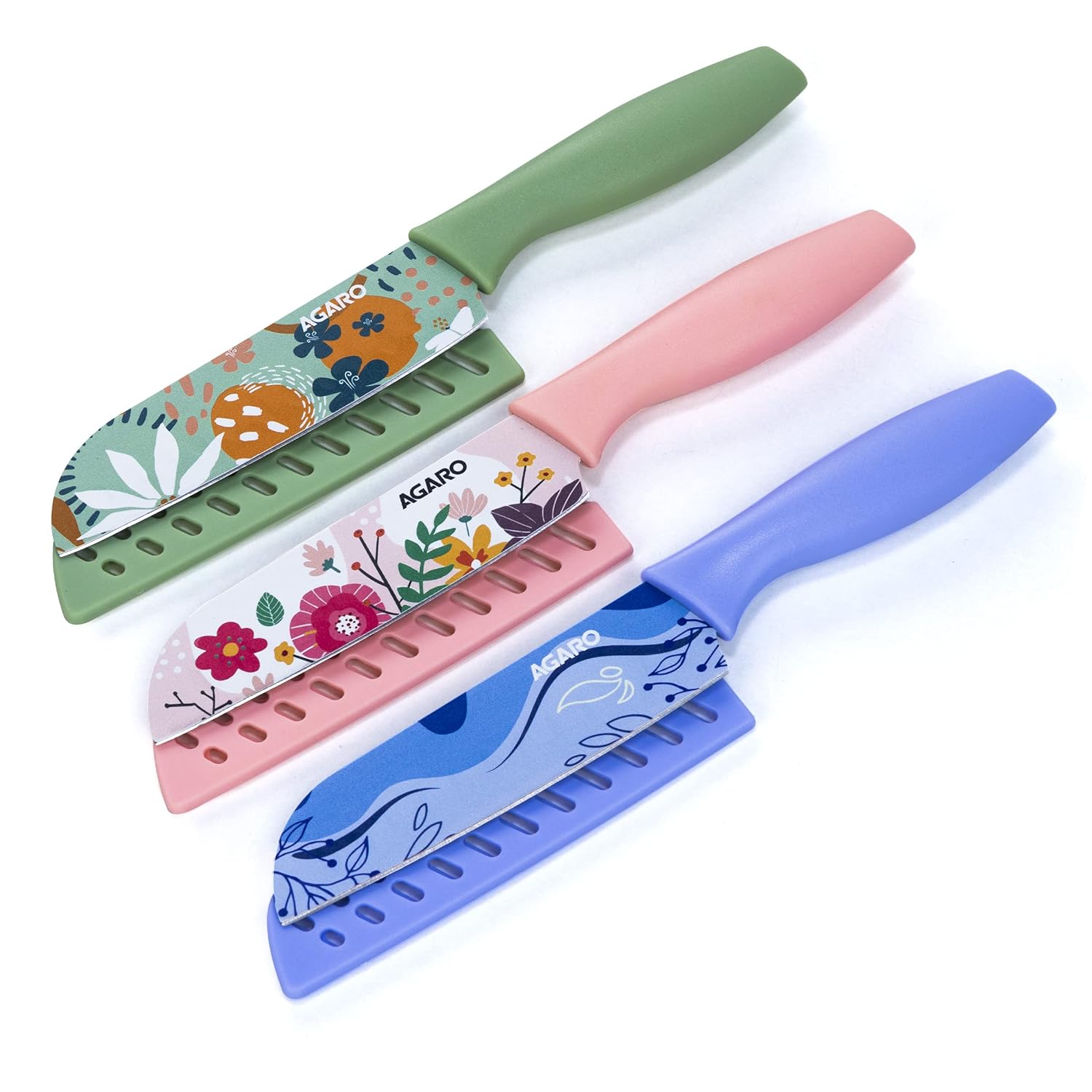

* Some links are affiliate links. Clicking and purchasing may earn a small commission at no extra cost to you.
Frequently Asked Questions
Enjoyed this recipe?
Rate this recipe:
Similar Posts


Never Miss a Recipe
From Khushi's Kitchen
to your inbox
New recipes, seasonal specials, and kitchen stories — no spam, ever.
No spam. Unsubscribe anytime.